
Amcor and Berry Global Are Racing to Expand: Inside the $15.7B High Barrier Packaging Boom
High barrier packaging films are entering a sustained growth phase in 2026, underpinned by rising demand for extended shelf life, product protection, and efficient distribution systems across food, pharmaceutical, and consumer goods industries. The global market is valued at $15.7 billion in 2026 and projected to reach $30.9 billion by 2036, a 7.0% CAGR, with food and beverage applications commanding the largest end-use share at 48.5%.
Pharmaceutical Integrity Is a Genuine Compliance Requirement
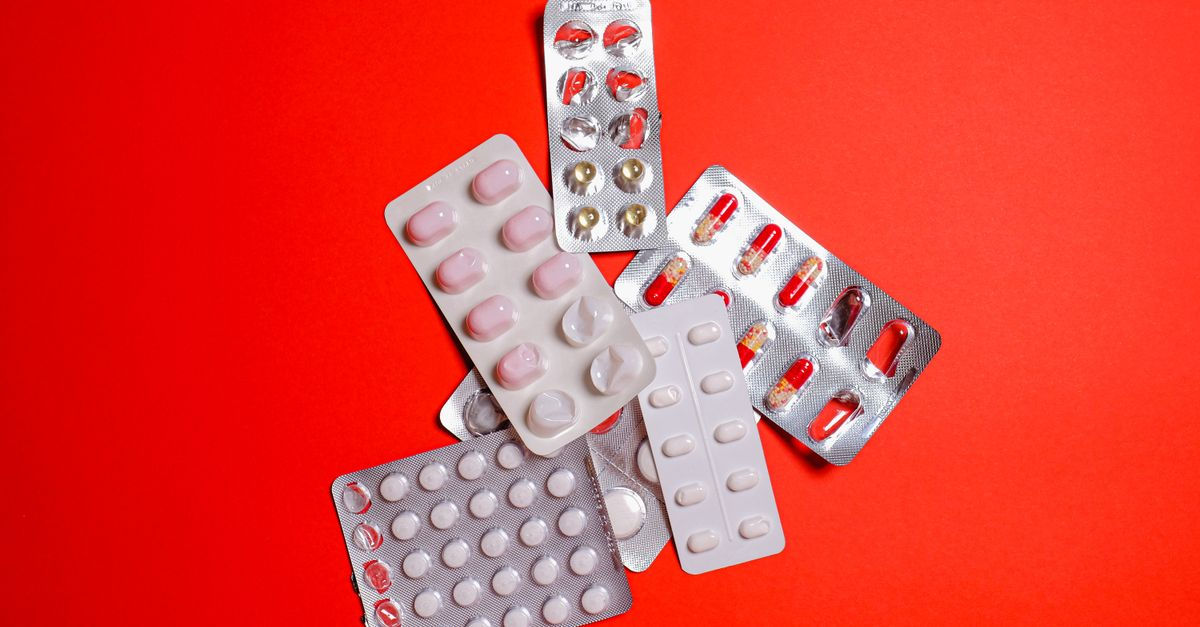
In healthcare, high barrier films are critical for moisture-sensitive drugs, blister packs, and medical devices, ensuring regulatory compliance and product stability across global markets. That's not a marginal use case, pharmaceutical packaging is estimated to represent roughly 22% of the broader high-barrier flexible packaging films market, and for critical applications where packaging failure carries extreme cost, including product recalls and brand damage, customers are willing to pay a premium for guaranteed performance and technical support.
India and China Are Leading Global Growth
India leads global growth at a 9.4% CAGR, driven by rapid urbanization and retail expansion
China follows at 8.3% CAGR, driven by large-scale food processing and packaging upgrades
North America represents approximately 28% of global market size, supported by strong packaged food consumption and advanced pharmaceutical packaging demand
The bags and pouches product segment is projected to drive growth, owing to rising demand in transporting and storing processes
The Flexible Packaging Shift Is Structural, Not Cyclical
The shift from rigid to flexible packaging formats, driven by cost efficiency, convenience, and sustainability, continues to accelerate adoption of multilayer high barrier films. That transition is reshaping capital investment patterns across the industry: converters are retooling production lines for flexible pouches and lidding films rather than rigid containers, a multi-year equipment cycle rather than a short-term packaging trend.
Sustainability and Performance Are No Longer Competing Priorities
Key market trends include recyclable high barrier materials, mono-material packaging structures, bio-based films, nanocoating technologies, and transparent barrier solutions, evidence that the industry is actively solving the tension between barrier performance and recyclability rather than treating them as a tradeoff. Producers continue expanding capacity specifically to meet rising demand from food, pharmaceutical, and personal care packaging while simultaneously improving barrier performance, machinability, and compatibility with high-speed packaging lines.
What It Means for the Market
High barrier packaging's growth reflects two converging forces, rising pharmaceutical and food safety requirements, and a structural shift toward flexible formats that's reshaping converter capital investment globally. Producers who can combine recyclable, mono-material barrier technology with the high-speed line compatibility that food and pharma manufacturers require are best positioned to capture share as India and China's growth rates continue outpacing the broader global market.
Related Reports
Explore our latest coverage of packaging and pharmaceutical supply chain markets:
Evaluating a packaging supplier relationship, capacity investment, or specific regional market entry? Contact us for a customized research report or consulting engagement.


Comments